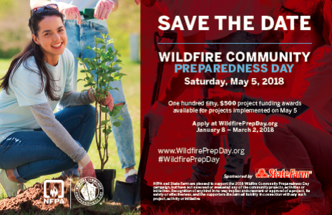
Strengthen your wildfire preparedness by participating in next year’s Wildfire Community Preparedness Day on May 5, 2018.
This opportunity encourages communities to work together to address their wildfire risk.
Develop a plan now to collaborate with agency partners and identify the risks to your community. The National Fire Protection Association’s Firewise USA site has resources you can use to understand what your risks are in the home ignition zone.
Create your plan and get ready to apply next year from January 8 through March 2, 2018, for one of 150 funding awards. Participate on this day to be a part of helping to create safer, more resilient communities across the Nation.
|
Welcome to the Altus Emergency Management page. If you have questions, please feel free to visit http://www.ready.gov, call 800-BE-READY, or call the local emergency manager closest to you. If you are having a life-threatening emergency, call 911. If 911 fails, know the direct line to the Public Safety Answer Point that serves you. For non-emergent government and social service information call 211.
Saturday, December 30, 2017
Prepare to Apply for a Wildfire Community Preparedness Day Award #OKfire
Wednesday, December 27, 2017
Winter Power Outage Prep
 |
Winter storms can bring freezing temperatures, mountains of snow and dangerous travel conditions, but they can also result in downed trees and power lines causing power outages.
Before the power goes out in your winter hideaway, follow these preparedness tips from Ready.gov:
- Build or restock your emergency preparedness kit, including a flashlight, batteries, water, food, prescription medication, cash, first aid supplies, and extra clothing, blankets or sleeping bags to stay warm.
- Make sure you have alternative charging methods for your phone or any device that requires power. For more information visit, Get Tech Ready.
- If you rely on anything that is battery-operated or power dependent like a medical device, determine a back-up plan. For more planning information tips visit, the Seniors and Individuals with Disabilities and Others with Access and Functional Needs pages.
- Know where the manual release lever of your electric garage door opener is located and how to operate it.
- Keep your car’s gas tank full. Gas stations rely on electricity to power their pumps.
- If you use your car to re-charge devices, do NOT keep the car running in a garage, or close to your home, this can lead to carbon monoxide poisoning.
- Be prepared to close off unused rooms to consolidate and retain heat.
- If the power may be out for a prolonged period, plan to go to another location (the home of a relative or friend, or a public facility) that has heat to keep warm.
- Only use generators outside, away from your home and NEVER run a generator inside a home or garage, or connect it to your home's electrical system. For more information about generators visit, the Generator Safety page of the Department of Energy.
Wednesday, December 20, 2017
Winter Storm Generator Safety

Powerful storms can knock down tree limbs and power lines, causing the electricity to go out. Treat any downed power lines as “live” and do not touch them. Remember to keep children and pets away from any power lines. Be certain to report any downed power lines or poles to your power company immediately. Call 9-1-1 if you see a wire that is sparking or touching a building.
Only use generators outdoors. The fumes contain carbon monoxide (CO), a colorless, odorless gas that can quickly cause carbon monoxide poisoning and overwhelm you. Follow these generator tips to keep yourself safe:
For more information about severe weather fire safety, check out the U.S. Fire Administration.
|
Saturday, December 16, 2017
New CERT and Citizen Corps Website
Community Emergency Response Teams (CERT) and Citizen Corps Councils are getting a new and improved registration and management website, which will allow users a more intuitive and robust tool with which to manage their programs. While these enhancements occur, the current website will be down starting December 1st .
The new and improved site will still include features like:
The new and improved site will still include features like:
- Registering and updating Citizen Corps and CERT programs from one place;
- Collecting information about surveys and programs to enable better tracking of your work; and
- Searching for local preparedness programs.
The site will also include some new features to make preparing your community even easier.
You can look forward to accessing the site later in December. In the meantime, you can continue helping your community get ready for disaster by visiting the Citizen Corps and CERT program pages on Ready.gov.
Wednesday, December 13, 2017
Heat Your Home Safely
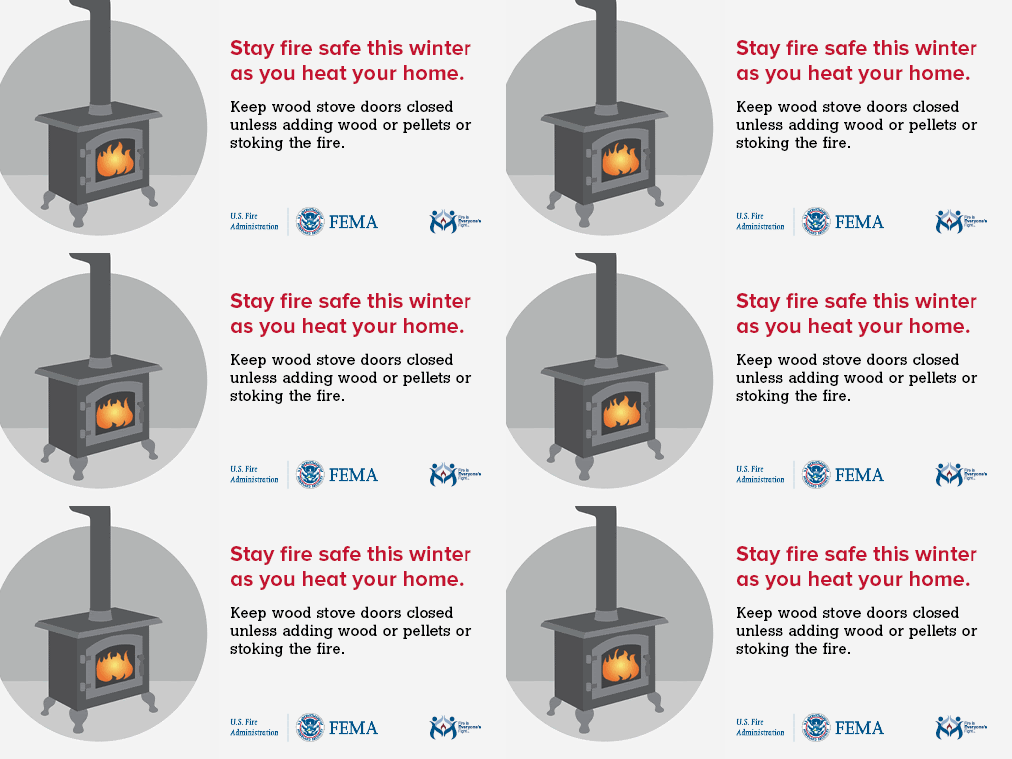 |
According to the U.S. Fire Administration (USFA), half of all home heating fires occur in December, January, and February. Make sure your home heating device is safe by following USFA heating tips to maintain a fire-safe home this winter.
- Keep anything that can burn at least three (3) feet from all heat sources including fireplaces, wood stoves, radiators, space heaters or candles.
- Never use an oven to heat your home.
- Only use space heaters that have automatic shut off if it tipped over or becomes too hot.
- Use a metal or heat-tempered glass screen when using your fireplace.
- Maintain heating equipment and chimneys by having them cleaned and inspected annually by a qualified professional.
Sunday, December 10, 2017
Celebrate Safely this Holiday Season

Entertaining and celebrating with family and friends is what the holiday season is all about.
This year, take some time to learn about potential fire hazards related to cooking, candles, decorations, electrical cords, and heating devices.
Keep your holiday parties safe with these U.S. Fire Administration (USFA) tips:
Find more holiday and fire safety information on the USFA Holiday Safety page.
|
Saturday, December 9, 2017
Building a Roadmap to Resilience – A Whole Community Training
Put your community on the road to resilience with the Building a Roadmap to Resilience course (E426) from the Federal Emergency Management Agency’s (FEMA) Emergency Management Institute. Participants will develop a plan of implementation in their community, receive the tools and knowledge to establish a community coalition, and learn to encourage local leaders to augment resilience within the unique circumstances of their community.
The course will be conducted January 16-18, 2017, at the Emergency Management Institute in Emmitsburg, Maryland. This three-day course helps communities build upon the Whole Community Approach to Emergency Management.
The target audience for this course includes community stakeholders interested in disaster resilience, and emergency management professionals with less than three years of experience who support or implement inclusive emergency management, community disaster planning, preparedness activities, and community outreach partners at the state and local levels. As a prerequisite, students should have a basic understanding of the fundamentals of emergency management and community preparedness.
To register for this course, please submit a completed General Admission Application, FEMA Form 119-25-1 to your State Training Officer. For more information about this course, please contact Steven (Tyler) Krska at steven.krska@fema.dhs.gov. Please visit training.fema.gov to learn about additional FEMA training and education opportunities management and community preparedness.
The course will be conducted January 16-18, 2017, at the Emergency Management Institute in Emmitsburg, Maryland. This three-day course helps communities build upon the Whole Community Approach to Emergency Management.
The target audience for this course includes community stakeholders interested in disaster resilience, and emergency management professionals with less than three years of experience who support or implement inclusive emergency management, community disaster planning, preparedness activities, and community outreach partners at the state and local levels. As a prerequisite, students should have a basic understanding of the fundamentals of emergency management and community preparedness.
To register for this course, please submit a completed General Admission Application, FEMA Form 119-25-1 to your State Training Officer. For more information about this course, please contact Steven (Tyler) Krska at steven.krska@fema.dhs.gov. Please visit training.fema.gov to learn about additional FEMA training and education opportunities management and community preparedness.
Wednesday, December 6, 2017
Dress Warmly This Winter
 |
Remember to stay vigilant of the cold temperatures brought on by winter for both you and your loved ones. Here are some tips on how to keep warm when venturing out in the cold:
- Dress for winter weather by wearing several layers of loose-fitting, lightweight, warm clothing rather than one layer of heavy clothing. The outer garments should be tightly woven and water repellent.
- Wear mittens, if possible, which are warmer than gloves.
- Cover as much exposed areas of your body as possible. This includes wearing a hat and scarf, insulated and waterproof shoes and covering your mouth to protect your face from cold and windburn. These tips can help to prevent loss of body heat.
Sunday, December 3, 2017
Holiday and Travel Safety Toolkit #DontCrowdThePlow

Share ways to prepare for the holidays with your family, friends, and community.
The Ready Campaign’s Holiday and Travel Safety Social Media Toolkitprovides preparedness information and graphics to help your audience.
The main tips for holiday and travel safety include:
For more tips, hashtags, promotional content, Twitter, and Facebook messages, visit the Holiday and Travel Safety Toolkit.
|
Saturday, December 2, 2017
Winter Preparedness for Older Adults #SeniorPals @AARP
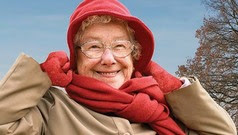
Not only should kids wear a coat to avoid catching a cold, but older adults should, too.
The National Institute on Aging (NIA) says older adults lose body heat faster than when they were young. Review the cold weather safety tips from NIA and share the following tips on how to stay warm:
For more tips, check out Cold Weather Safety for Older Adults from NIA.
|
Thursday, November 30, 2017
Fire Safety Tips from @USfire #OKfire
Decorate Safely for the Holidays

Keep your holidays happy with safe decorations.
According to the U.S. Fire Administration(USFA), December is the peak time of year for home candle fires.
|
Be fire smart as you deck the halls for a festive holiday season with these USFA tips:
- Water Christmas trees every day. A dry tree is dangerous because it can catch fire easily.
- Make sure Christmas trees are at least three feet away from heat sources like fireplaces, radiators, space heaters, candles or heat vents. Also, make sure the tree does not block exits.
- Inspect holiday lights each year before you put them up. Throw away strands with frayed or pinched wires. Read the manufacturer’s instructions for the number of light strands to connect.
- Turn off all holiday lights before going to bed or leaving your home.
- Consider using battery-operated flameless candles, which can look, smell and feel like real candles.
- If you do use lit candles, make sure they are in stable holders and place them where you can not knock them down.
- Keep candles at least 12 inches away from anything that burns. Never leave a burning candle alone in an empty room.
Wednesday, November 29, 2017
December Climate Data provided by @OKMesoNet
|
|
|
|
|
| |||||||||||||||||||||||||||||||||||||||||||||||||||||||||||||||||||||||||||||||||||||||||||||||||||
|
|
|
|
|
|
| ||||||||||||||||||||||||||||||||||||||||||||||||||||||||||||||||||||||||||||||||||||||||||||||||||
|
|
|
|
|
|
| ||||||||||||||||||||||||||||||||||||||||||||||||||||||||||||||||||||||||||||||||||||||||||||||||||
|
|
|
|
|
|
| ||||||||||||||||||||||||||||||||||||||||||||||||||||||||||||||||||||||||||||||||||||||||||||||||||
|
|
|
|
|
|
| ||||||||||||||||||||||||||||||||||||||||||||||||||||||||||||||||||||||||||||||||||||||||||||||||||