
The holidays offer a great time to develop an emergency communication plan with your family.
Knowing how to stay in touch with them in the event of a storm will give you peace of mind. Check out the Prepareathon™ Winter Storm page with free tools, tips, and resources to help you prepare.
Planning starts with these three steps:
Watch this video to learn more about preparing for a winter storm. You can also download the Federal Emergency Management Agency's How to Prepare for a Winter Storm Guide.
|
Welcome to the Altus Emergency Management page. If you have questions, please feel free to visit http://www.ready.gov, call 800-BE-READY, or call the local emergency manager closest to you. If you are having a life-threatening emergency, call 911. If 911 fails, know the direct line to the Public Safety Answer Point that serves you. For non-emergent government and social service information call 211.
Wednesday, December 19, 2018
Be Ready for the Next Winter Storm with a Family Emergency Communication Plan #OKice
Wednesday, December 5, 2018
FEMA’s Winter Preparedness Guide #OKice
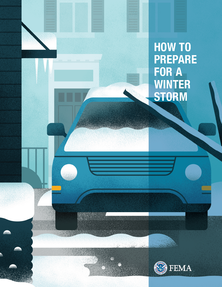
With winter in full swing, prepare for storms of ice, snow, and bitter cold.
This year, the Federal Emergency Management Agency released an updated How to Prepare for a Winter Storm Guide. The guide includes a preparedness checklist, tips to stay healthy and warm, and a winter weather check for your car. There are also actions to protect your home and reduce property damage.
Share how to prepare for, stay safe during, and recover from a winter storm on your website or social media account. Download the guide today:
|
Wednesday, August 8, 2018
The ABCs of Back to School Preparedness

With school bells ringing across the Nation, it is time for parents and guardians to get familiar with the emergency plan at your child’s school or daycare.
Much like individuals and families, schools and daycare providers should all have site-specific emergency plans. If you are a parent or guardian, it is important to make sure your child’s school or daycare has a plan to ensure his or her safety during an emergency.
The Centers for Disease Control and Prevention (CDC) outline steps as easy as ABC to keep your child safe at school or daycare:
If your child has an access or functional need, be sure to meet with a school official to discuss plans for how the school will provide for his or her safety. For more information about emergency preparedness for parents, educators, and kids, visit www.ready.gov/kids.
Parents, guardians, and teachers can also use the Children and Youth Preparedness Social Media Toolkit to share safety messages on their social media networks.
|
Wednesday, June 27, 2018
Stay Safe While Enjoying Fireworks #OKfire

The Fourth of July is approaching, and that means barbeques and fireworks! Many people love seeing the bright colors fly through the night air, but it is important to keep in mind that fireworks are explosives, and only professionals should handle them.
A study by the U.S. Consumer Product Safety Commission (CPSC) shows that more than 200 people, on average, go to the emergency room every day with fireworks-related injuries in July close to the Independence Day holiday. Follow these tips to prevent injury from fireworks:
For more information on fireworks safety, check out the CPSC Fireworks page.
|
Wednesday, June 13, 2018
Create a Pet Emergency Kit

National Pet Preparedness Month is in full swing and with summer heating up and hurricane season underway, there is no better time to learn how to keep your pets safe in the event of severe weather.
Prepare your pets now for hurricanes, extreme heat, and other hazards by creating a pet emergency kit.
Get started by following these tips from the Ready Campaign:
Your pets cannot prepare for an emergency, but you can. Find additional information for preparing your pets in the Pet Owners Fact Sheet.
|
Wednesday, June 6, 2018
Travel Safely this Summer
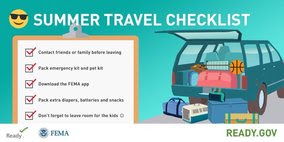
Are you ready for your summer vacation?
Whether planning a road trip or traveling abroad, stay prepared for emergencies with information from the Centers for Disease Control and Prevention (CDC), the Department of State, the National Highway Traffic Safety Administration (NHTSA), the Ready Campaign, and the Transportation Security Administration (TSA). Please consider the following tips:
To learn more about emergency preparedness, visit www.ready.gov.
|
Wednesday, May 30, 2018
Prepare for Severe Summer Weather

Summer brings warm weather, beach days, and fun in the sun, but you should prepare for possible severe weather. This includes extreme heat, hurricanes, lightning, and wildfires.
Prepare your family for summer weather hazards while at home or traveling with information from the National Weather Service and the Ready Campaign. Learn how to prepare and respond to the hazards most common during the summer by clicking any of the links below:
Find additional flood, hurricane, tornado, and wildfire preparedness information on the Prepareathon website.
|
Wednesday, February 28, 2018
Prepare for Flash Flooding

Flash floods happen quickly; it is important to recognize whether or not you live in an area prone to flash flooding and how you can prepare in advance.
According to the National Weather Service, the causes of flash flooding include heavy rain, ice or debris jams, and levee or dam failure. These floods exhibit a rapid rise of water over low-lying areas. In some cases, flooding may even occur away from where heavy rain initially fell.
Follow these tips from Ready.gov to make sure you, your family, and your home are prepared for a flash flood:
For more flood safety information, download Prepareathon’s How to Prepare for a Flood guide.
|
Wednesday, February 21, 2018
Is the “Invisible Killer” in Your Home? #OKfire

Carbon monoxide (CO) is the “invisible killer” because it is a colorless, odorless, and poisonous gas.
According to the U.S. Fire Administration(USFA), more than 150 people in the United States die every year from accidental nonfire-related CO poisoning from household products, like generators. Other products include faulty, improperly-used or incorrectly-vented, fuel-burning appliances such as furnaces, stoves, water heaters, and fireplaces.
Breathe easy this winter and avoid CO poisoning with these USFA tips:
Learn the symptoms of CO poisoning and other CO safety information on the USFA Carbon Monoxide Safety page.
|
Wednesday, February 14, 2018
Stay Safe: Wildfires Can Happen Anywhere, Anytime #OKfire
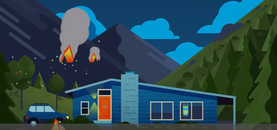
With several active wildfires affecting the Western United States, it is important to know how to stay safe with information and resources from Prepareathon™.
Wildfires can happen anywhere in the country and at any time of year. If you see a wildfire approaching, call 911 to report the fire. Do not assume that someone else reported it and follow these tips from Prepareathon’s How to Prepare for a Wildfire Guide:
If ordered to evacuate:
If trapped in your home:
For more information on wildfire safety, review Prepareathon’s How to Prepare for a Wildfire guide, or watch the When the Fire Starts video. You can also read about California’s use of FEMA’s Wireless Emergency Alerts during the recent wildfires.
|